Eye Injections or Intravitreal Injections (IVI)

What is eye injection (intravitreal injection) treatment?

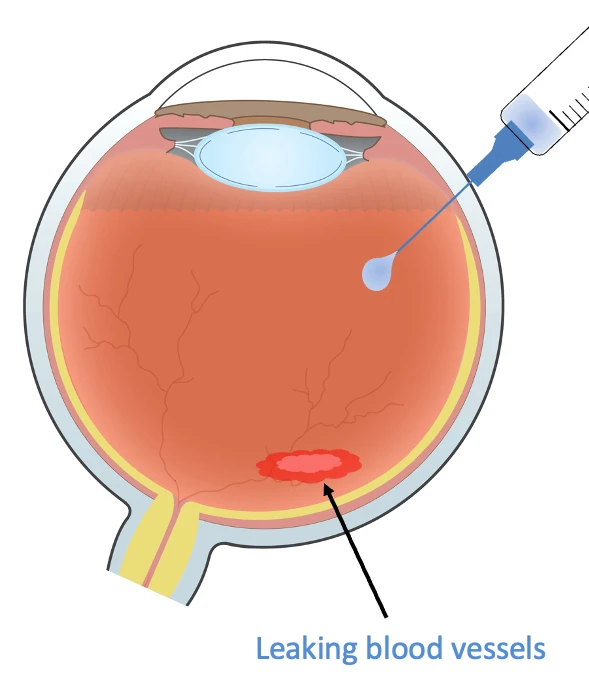
Eye injection, also called intravitreal injection (IVI), is a treatment in which a medication is injected into the gel (vitreous) inside the eye. It is used to treat a variety of conditions, such as:

Patients with these conditions can lose central vision when abnormal blood vessels leak or bleed at the back of the eye.

What are the medications used for intravitreal injection?

There are two main groups of medications approved for eye injections. They are used to treat a variety of eye conditions:

1. Anti-VEGF medications

This is a group of medications called anti-vascular endothelial growth factor (anti-VEGF).

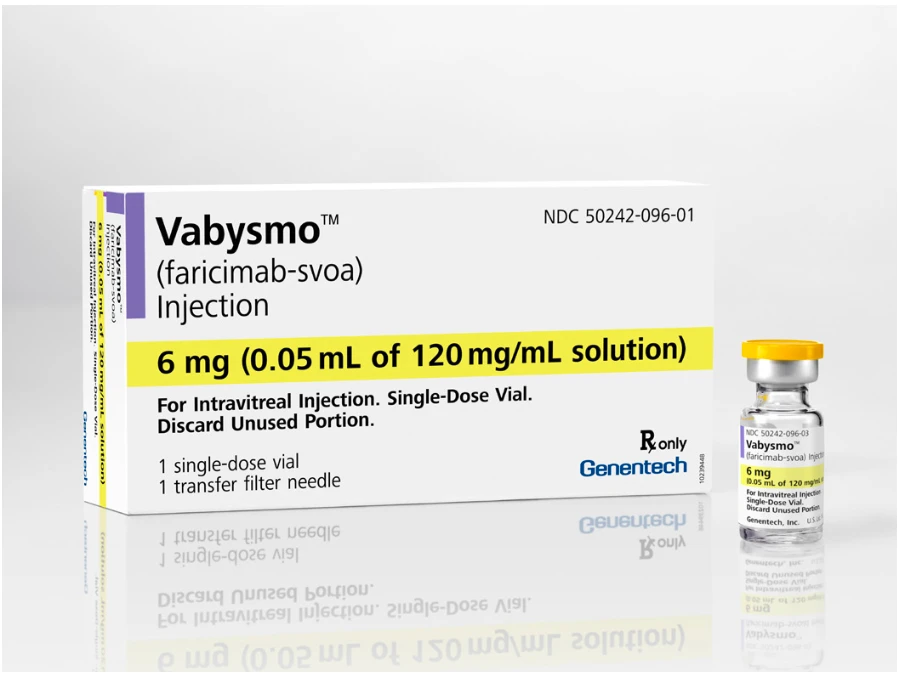
Vabysmo | Mr Ellabban
Faricimab (Vabysmo)
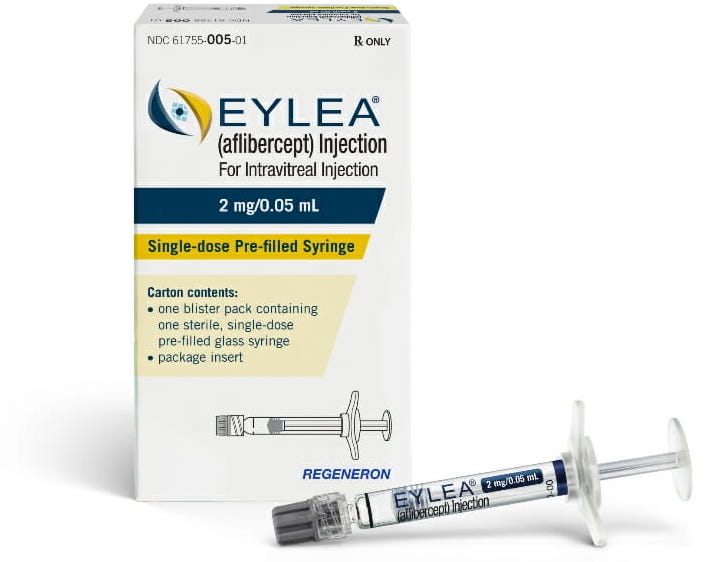
Eylea injection | Mr Ellabban
Aflibercept (Eylea)
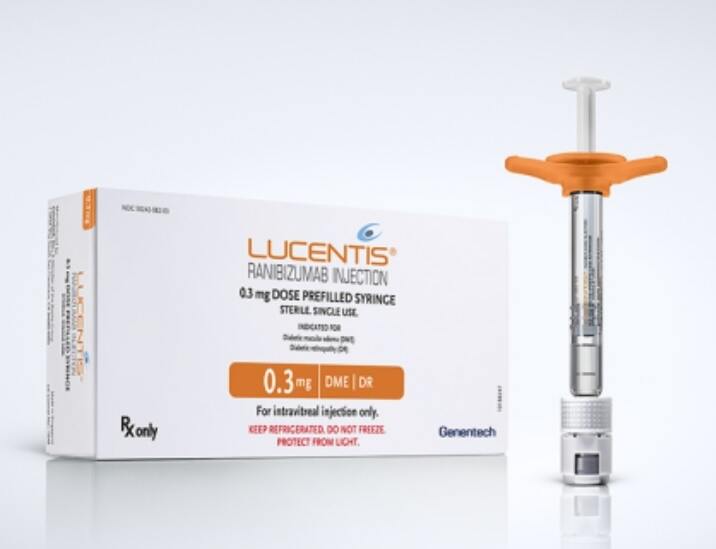
Lucentis injection | Mr Ellabban
Ranibizumab (Lucentis)

2. Steroid implants

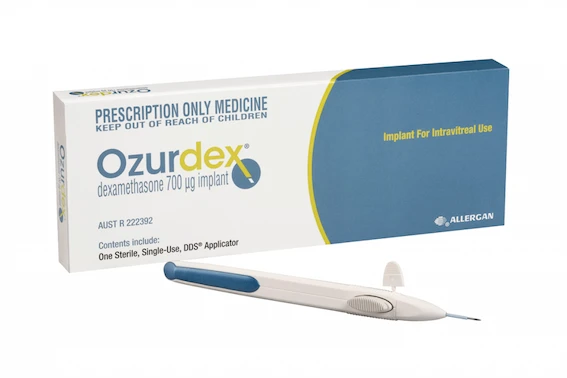
Ozurdex implant eye injection | Mr Ellabban
Ozurdex (dexamethasone implant)
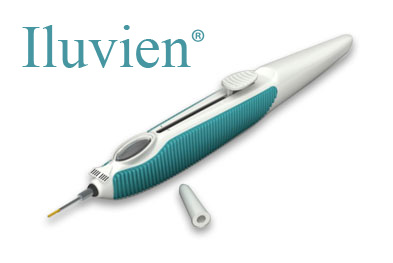
Iluvien implant | Mr Ellabban
Iluvien (fluocinolone acetonide implant)

Mr Ellabban will assess you and discuss with you which type of eye injection treatment is indicated in your case, the details of the treatment, its risks and benefits, and advise you about the procedure.

How is the treatment given?

The medication is given by injection into your eye with a very fine needle. The procedure takes 5–10 minutes, but the injection itself takes about 30 seconds.

1

Numbing drops: Local anaesthetic drops are applied to numb your eye.

2

Cleaning: Your eyelids and the eye surface are cleaned to prevent infection.

3

Drape and clip: A sterile drape covers the area, and a small clip keeps the eye open.

4

Antiseptic: Antiseptic drops are applied to the eye surface.

5

The injection: A few seconds later, the injection is given with a very fine needle.

6

Vision check: Your vision is checked, for example by counting fingers, before the drape is removed.

Eye injection treatment for leaking blood vessels | Mr Ellabban

How does anti-VEGF work?

Vascular endothelial growth factor (VEGF) is a protein that promotes the growth of new blood vessels and makes the blood vessels more leaky. Anti-VEGF medicines stop the growth of these new blood vessels. This can prevent damage to the retina and loss of central vision. These medicines are effective in preventing further central vision loss in treated eyes.

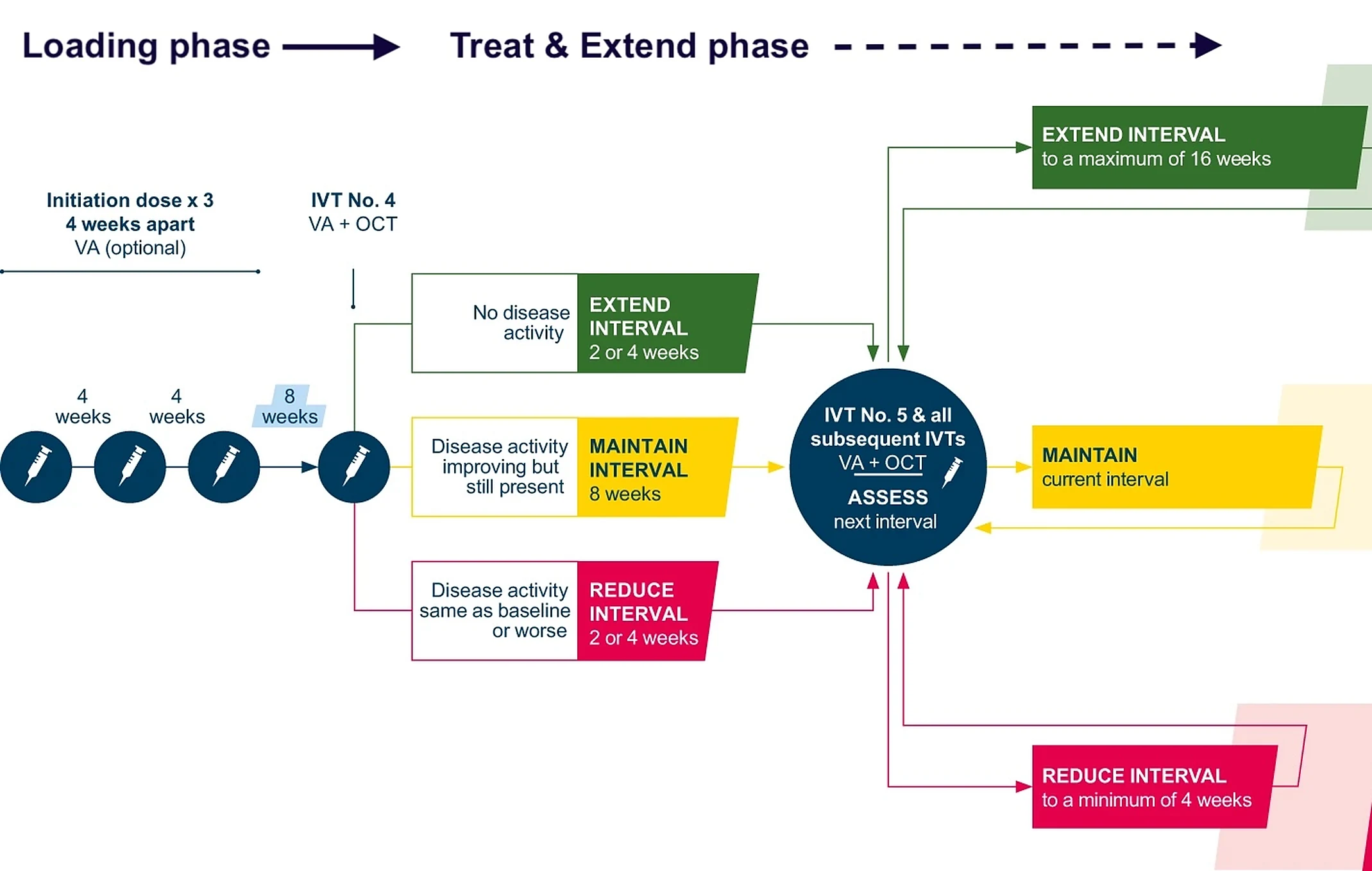
The treatment course with eye injections often requires multiple injections. Initially, the doctor usually starts the course with 3–4 injections, taken a month apart, called the “loading dose”, and then the treatment is tailored according to the response to the initial loading treatment.

The interval between injections can be gradually extended (for example to 6, 8 or 10 weeks) and can go up to 12 or 16 weeks, according to the response to treatment. This is called the “Treat & Extend” protocol. You will be monitored at regular intervals with retinal scans to assess your response to treatment.

Example of an eye injection treatment course

Loading phase, then “treat and extend” – the interval may vary according to your condition.

Example of an eye injection treatment course: loading phase followed by treat and extend | Mr Ellabban

Adapted from Bailey C, et al. Eye 2023;37:1916–21.

Mr Ellabban will assess you and discuss with you if you will benefit from the treatment and which treatment option is best for you.

How do steroid implants work?

These are very tiny implants containing long-acting steroid medicine injected inside the eye via a special applicator. Steroids have a potent anti-inflammatory effect. Steroid implants are mainly used to treat macular oedema (for example, from diabetes or retinal vein occlusion) and uveitis (inflammation inside the eye).

Ozurdex Implant Intravitreal Eye injection for Treatment of Retinal Oedema and Inflammation

What are the risks from intravitreal injections?

As with any medical procedure, there is a small risk of complications following eye injection treatment. Most complications are related to the injection itself rather than the medication. For most patients, the benefit of treatment outweighs the small risk.

Possible risks include:
  • Serious eye infection (endophthalmitis), about 1 in 2,000 injections
  • Increase in eye pressure (often temporary)
  • Bleeding in the eye (rare)
  • Inflammation inside the eye (rare)
  • Retinal detachment (rare)
  • Cataract (rare with anti-VEGF injections)

Cataract and raised eye pressure are more common with steroid implants, and are monitored at your follow-up visits.

When to seek urgent help

After an injection, contact Mr Ellabban or the eye clinic urgently if you notice:

  • increasing pain or ache in the eye
  • increasing redness
  • sensitivity to light
  • a sudden decrease or change in vision
  • an increasing number of black dots (floaters)

Mr Ellabban will discuss with you which eye injection treatment is right for your condition, including its benefits and risks, and answer any questions you have.

Frequently Asked Questions

Before your injection

Do I need to prepare for the injection? Can I eat and take my usual medicines?

No special preparation is needed. You can eat, drink and take your usual medicines as normal. Please don’t wear eye make-up for 1–2 days before your injection. Let Mr Ellabban know if you have any eye redness or discharge, or a recent infection elsewhere in your body. He will check your eye and decide whether the injection should be postponed.

Is there anyone who shouldn’t have eye injections?

Please tell Mr Ellabban if you are pregnant or breastfeeding, have an active infection, or have recently had a heart attack or stroke. He will discuss the safest option for you in that situation.

Please also tell Mr Ellabban if you are allergic to iodine (the antiseptic used to clean the eye) or to any eye drops.

Is it safe to have injections if I take blood thinners?

Yes. You usually don’t need to stop blood thinners such as aspirin, clopidogrel, warfarin, apixaban or rivaroxaban. A small red patch on the white of the eye is more common, but it is harmless and settles on its own. Please let Mr Ellabban know which medicines you take, and he will advise you if anything needs to change.

When can I wear contact lenses or eye make-up again?

Please don’t wear contact lenses for 2–3 days before and after your injection. Avoid eye make-up for 1–2 days before your injection and for a few days afterwards. Mr Ellabban will tell you when it’s safe to restart.

How long does the appointment take?

The injection itself takes only a few seconds, and the whole procedure about 5–10 minutes. Including your vision check, scan and assessment with Mr Ellabban, please allow around 1 hour for the visit.

Can both eyes be injected on the same day?

Yes. If both eyes need treatment, Mr Ellabban can often inject them at the same visit, using a separate sterile preparation for each eye. He will advise whether this is suitable for you.

On the day

Does the injection hurt?

Mr Ellabban numbs your eye with anaesthetic drops first, so most patients feel only slight pressure and no sharp pain. Afterwards, the eye may feel sore or gritty for a day or two. Lubricating eye drops can help, and occasionally you may need a simple painkiller such as paracetamol.

Will I see the needle?

Most patients don’t see the needle clearly. You may see a brief shadow or flash. Straight after the injection, the medicine can appear as a dark floating spot or small bubbles, which fade over the next day or two.

Will I need a scan at every visit?

Usually, yes. An OCT scan of the retina is taken before each injection to check for fluid or bleeding. This helps Mr Ellabban decide whether you need treatment and when your next injection should be.

After your injection

What should I expect after the injection?

It is common to have a small red patch on the white of the eye, mild grittiness, or a few small floaters or bubbles in your vision. Grittiness and bubbles usually settle within a day or two; the red patch is harmless but can take 1–2 weeks to fade. Please avoid rubbing your eye, swimming, or getting tap water in your eye for a few days. Mr Ellabban will give you aftercare instructions after your injection.

Can I drive after the injection?

No. Please arrange for someone to drive you home. You can drive again once your vision is back to how it was before the injection. For most patients this is the following day. Mr Ellabban will advise you if you need to wait longer.

When can I go back to work and normal activities?

Most people can return to work and normal daily activities the next day. Please avoid swimming, dusty or dirty environments, and getting soap or shampoo in your eye for a few days. Mr Ellabban will advise you if your job needs extra precautions.

Can I fly or travel after an eye injection?

Flying is generally fine after a standard anti-VEGF injection. Please avoid swimming and dusty environments for a few days. Let Mr Ellabban’s team know about any travel plans so your injections can be scheduled around them.

What symptoms should I look out for?

Contact Mr Ellabban’s team urgently if you have increasing pain or redness, sensitivity to light, worsening vision, or a sudden increase in floaters. These can be signs of infection or another complication that needs prompt treatment. Please call Mr Ellabban’s secretary on 01482 660272, or out of hours, attend your nearest eye casualty or A&E.

How safe are eye injections? What is the risk of serious infection?

Serious complications are rare. The most important is infection inside the eye (endophthalmitis), which happens after roughly 1 in 2,000 injections or fewer. Your eye is cleaned with iodine antiseptic before every injection to reduce this risk. If you develop increasing pain, redness or worsening vision, contact Mr Ellabban’s team straight away.

Your treatment course

How many injections will I need?

Most patients start with 3 or 4 injections given a month apart, called the loading phase. After that, Mr Ellabban adjusts the gap between injections to how your eye responds. If your eye stays stable, the interval can gradually be extended (see the treatment course diagram above).

How long will I need the injections?

This varies. Some patients can eventually stop or have long breaks between injections, while others need ongoing treatment to keep their vision stable. Mr Ellabban will review your treatment plan regularly.

Will the injections improve my vision?

The main aim is to stop your vision getting worse. Many patients also notice some improvement, especially when treatment starts early. Mr Ellabban will discuss what you can expect for your condition.

What happens if I miss or delay an injection?

Missing injections can allow fluid or bleeding to return, which may lead to permanent loss of vision. If you can’t attend, please contact Mr Ellabban’s secretary as soon as possible to rearrange your appointment.

Can I switch to a different medication?

Yes. If your eye is not responding well, or needs very frequent injections, switching to another medicine (for example Vabysmo or a higher-dose option) may help. Mr Ellabban will discuss whether a switch could benefit you.

Medicines and costs

What are anti-VEGF medications, and how do they work?

VEGF (vascular endothelial growth factor) is a protein the eye produces when the retina is damaged or short of oxygen. Too much VEGF causes abnormal blood vessels to grow and makes vessels leak fluid and blood into the retina, which blurs and distorts your vision. Anti-VEGF medicines such as Vabysmo, Eylea and Lucentis block VEGF. This reduces leakage and swelling and stops abnormal vessels growing. Vabysmo also blocks a second pathway (angiopoietin-2), which helps keep blood vessels stable.

Anti-VEGF injections are used for wet age-related macular degeneration, diabetic macular oedema, macular oedema after retinal vein occlusion, myopic choroidal neovascularisation and some other conditions. They are usually given monthly at first. The gap is then gradually extended, often up to every 12–16 weeks, depending on how your eye responds.

What are steroid implants, and how do they work?

Steroid implants, such as Ozurdex and Iluvien, are tiny slow-release implants placed inside the eye with an injection. The steroid calms inflammation by reducing several inflammatory chemicals at once, including VEGF. It also helps restore the seal of the retinal blood vessels, so less fluid leaks into the macula. Ozurdex usually lasts about 3–6 months, and Iluvien releases medicine for up to 3 years.

Steroid implants are mainly used for macular oedema caused by diabetes or retinal vein occlusion, and for inflammation inside the eye (non-infectious uveitis). They are often chosen when anti-VEGF injections haven’t worked well enough, or when frequent injections are difficult. Steroid implants are not used to treat wet AMD. Steroids can raise the pressure in the eye and speed up cataract formation, so Mr Ellabban will check your eye pressure regularly after an implant.

What are biosimilar medicines?

A biosimilar is a licensed medicine that is similar to an established “original” medicine whose patent has expired. In eye injections, biosimilars are available for Lucentis (ranibizumab) and the standard 2 mg dose of Eylea (aflibercept). There are no biosimilars for Vabysmo or high-dose Eylea 8 mg.

The NHS now recommends them as first-line treatment options, partly because they cost less. Some patients and doctors are understandably cautious, because these medicines are newer and there is less long-term “real-world” experience with them.

Can I have eye injections privately, and does insurance cover them?

Yes, eye injections are available privately with Mr Ellabban. Many private health insurers cover them, but please check your policy before starting. Self-pay options are also available.